Car Key Replacement by Vehicle Brand — What the Process Actually Involves
Not all replacement car keys are created equal, and the process varies significantly by manufacturer. A basic Ford F-150 from the early 2000s may only need a mechanically cut blade, while a 2020 Ford F-150 requires a high-security laser-cut blade, a programmed transponder chip, and remote pairing — three distinct steps that demand professional equipment. Our technicians carry automotive key cutting machines and OBD-II compatible programming devices that allow us to serve a wide range of brands on-site. For General Motors vehicles — Chevrolet, GMC, Buick, Cadillac — we cut and program keys that communicate with the PassLock and PassKey immobilizer systems. Toyota and Lexus vehicles manufactured after the mid-2000s use rolling-code transponders and smart proximity keys that require dealer-level software to enroll; we have that capability in our mobile unit. Honda and Acura keys from roughly 2006 onward use an immobilizer that must see the new key through a specific learn procedure — skipping that step means the engine cranks but will not fire.
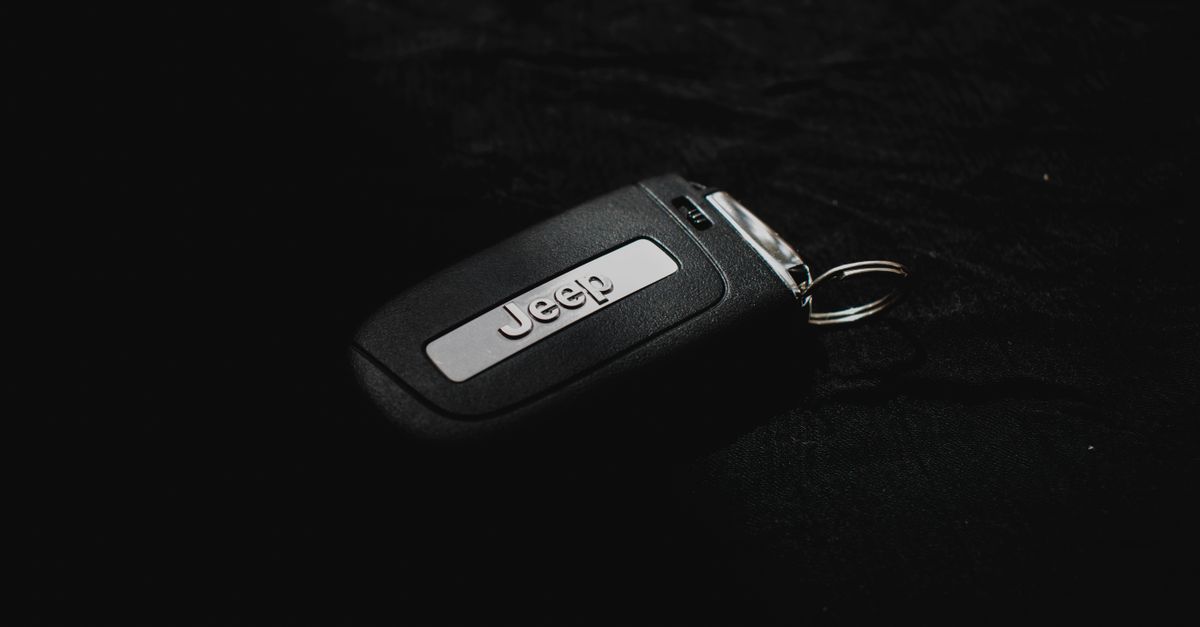
BMW, Mercedes-Benz, and Audi present some of the most complex key replacement scenarios on the road today. These vehicles often rely on encrypted key data stored on the car's body control module, and programming requires both the right hardware interface and accurate vehicle identification. Our technicians are trained specifically on European makes and carry the EEPROM reading tools and software platforms needed for these jobs. Hyundai and Kia keys — especially models from 2018 onward that use the push-button smart entry system — require proximity fob enrollment that is performed live through the OBD port. Chrysler, Dodge, Jeep, and Ram products under the Stellantis umbrella use a tiered system where some keys can be programmed with standard tools and others require a secure server connection to generate the correct PIN. In every case, our process begins with verifying vehicle ownership — registration, title, or insurance documentation — before any work begins.