What Panic Bar Installation Actually Involves on a Commercial Door
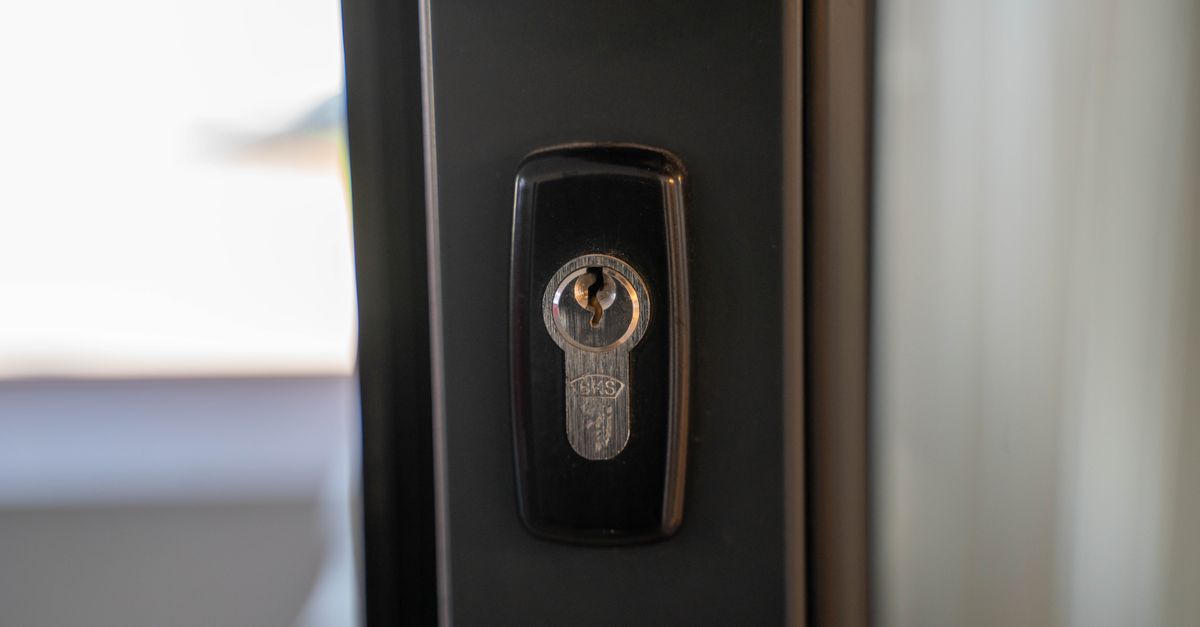
Installing an exit device on a commercial door is not a simple swap like changing a residential door knob lock. The process begins with a thorough evaluation of the door's thickness, width, and construction material — hollow-metal, solid wood, aluminum storefront, and glass doors each require different mounting hardware and backset configurations. The technician must also confirm the door's swing direction, the frame's strike pocket dimensions, and whether the current latching system uses a cylindrical borehole or a full-length mortise pocket. Getting those details wrong means a device that rattles, fails to latch, or — worst of all — cannot be relied upon during an emergency evacuation.
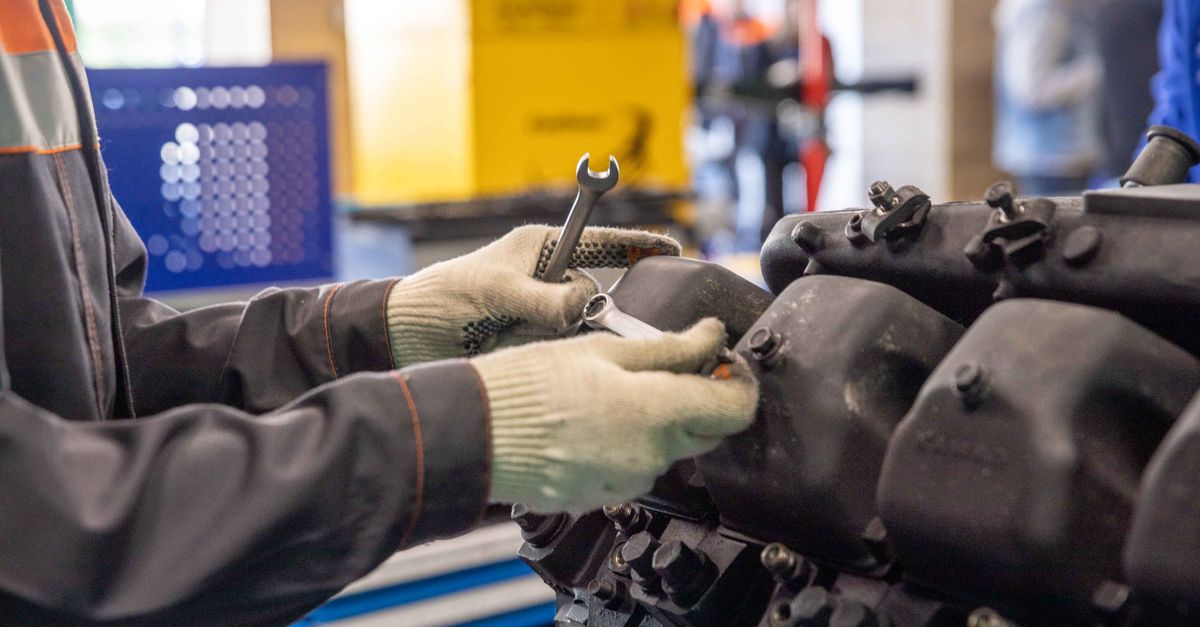
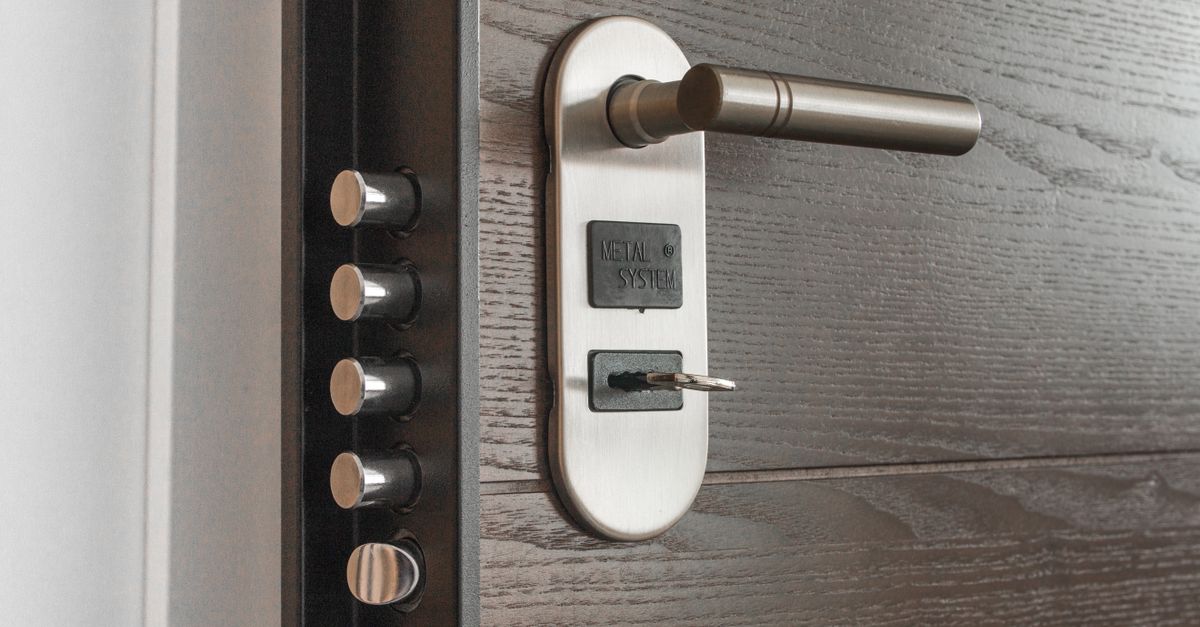
Once the correct device is selected, installation typically involves securing a cross-bar mechanism to the door face using through-bolts, aligning the latch or latchbolt with a precisely cut strike in the door frame, and adjusting the dogging mechanism (which allows the bar to be locked in the depressed position for normal business hours on appropriate occupancies). On doors that already have a mortise lock body installed, the exit device must be coordinated with that existing hardware so both the panic function and the keyed outside trim work independently and correctly. Our technicians carry the hand tools, drill bits, and template guides needed to complete most commercial panic bar installations in a single mobile visit, without leaving your door out of service overnight.