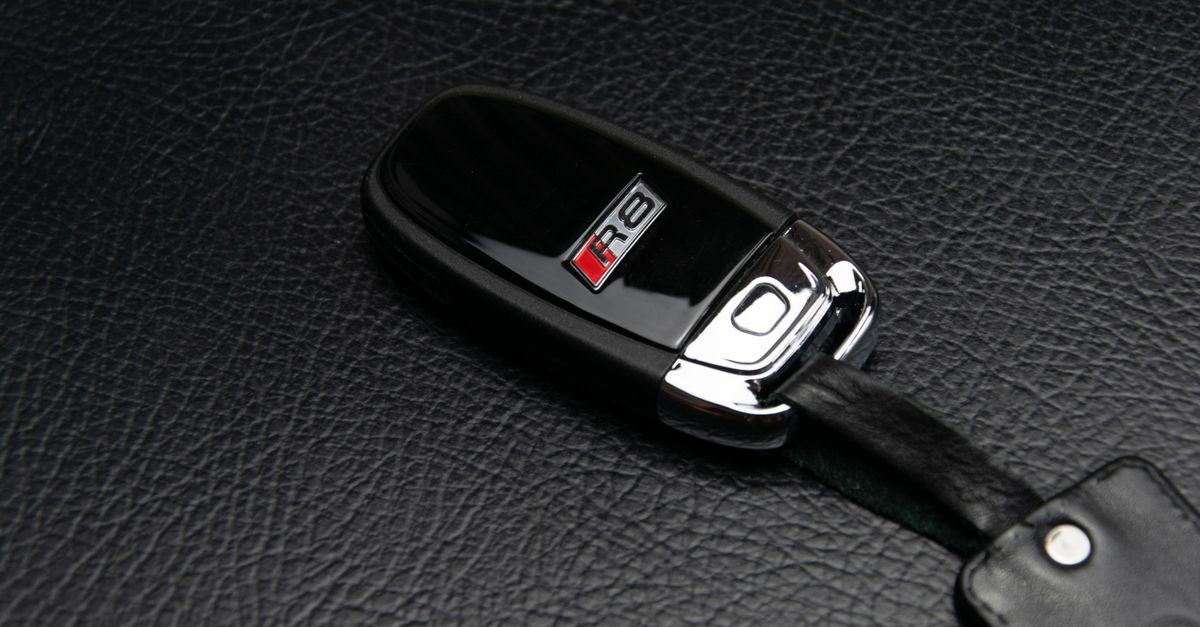
What Makes Audi Key Replacement More Involved Than a Standard Car Key
Audi has phased out basic metal keys across most of its lineup in favor of layered security technology. Depending on your model year, your Audi may use a laser-cut or tibbe-cut mechanical blade, a transponder chip embedded in the key head that must be coded to match your vehicle's ECU, a remote key fob that controls locking, unlocking, and sometimes the panoramic sunroof, or a fully keyless smart key that uses proximity sensors and push-button start. Each layer adds convenience — and each layer requires specific programming equipment to replicate correctly. A hardware store kiosk simply cannot handle these keys. Some self-service kiosk concepts marketed as ways to copy any key work fine for basic house or office keys, but Audi transponder and smart keys involve encrypted rolling codes and immobilizer pairing that require direct communication with the vehicle's onboard systems. Attempting to use a kiosk-cut blank without proper transponder programming will produce a key that physically turns the lock but leaves the engine disabled — a frustrating and costly mistake.
Our technicians bring OEM-compatible key blanks and programming devices to every call. Whether you drive an Audi A3, A4, A6, Q5, Q7, or any other model in the lineup, we identify the correct key profile, cut it to your car's lock specifications using precision cutting equipment, and then program the transponder or smart key data to your specific vehicle. The entire process is completed on-site, often within the same service window — no tow truck, no dealership appointment, no waiting room.