What Forced Entry Actually Does to a Mortise Lock and Your Door Hardware
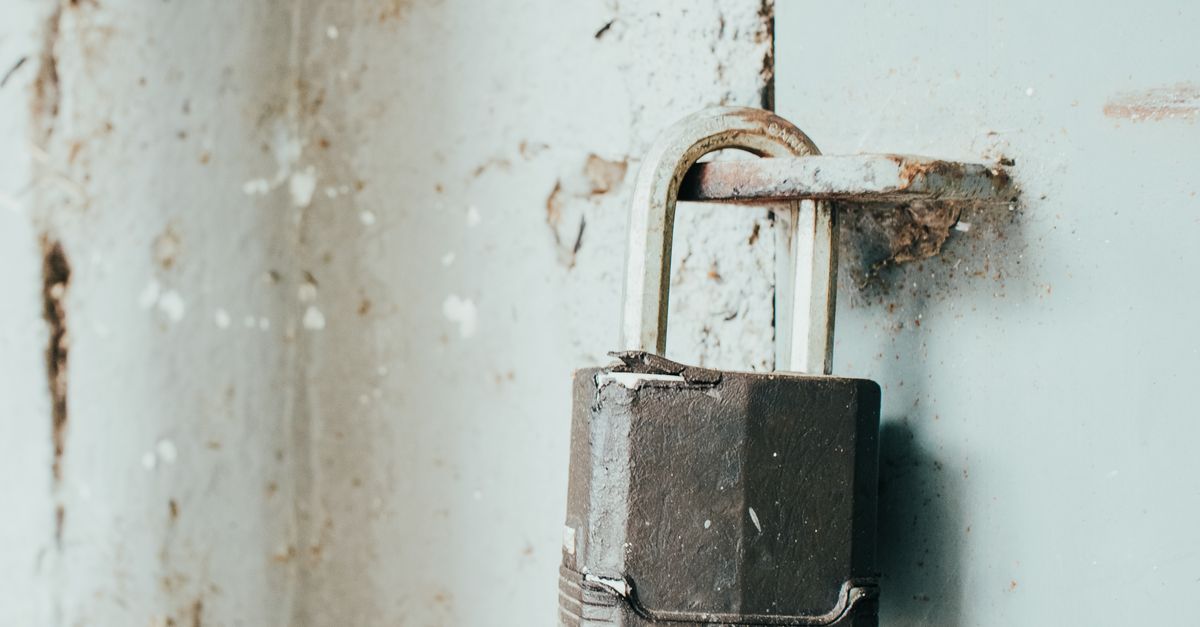
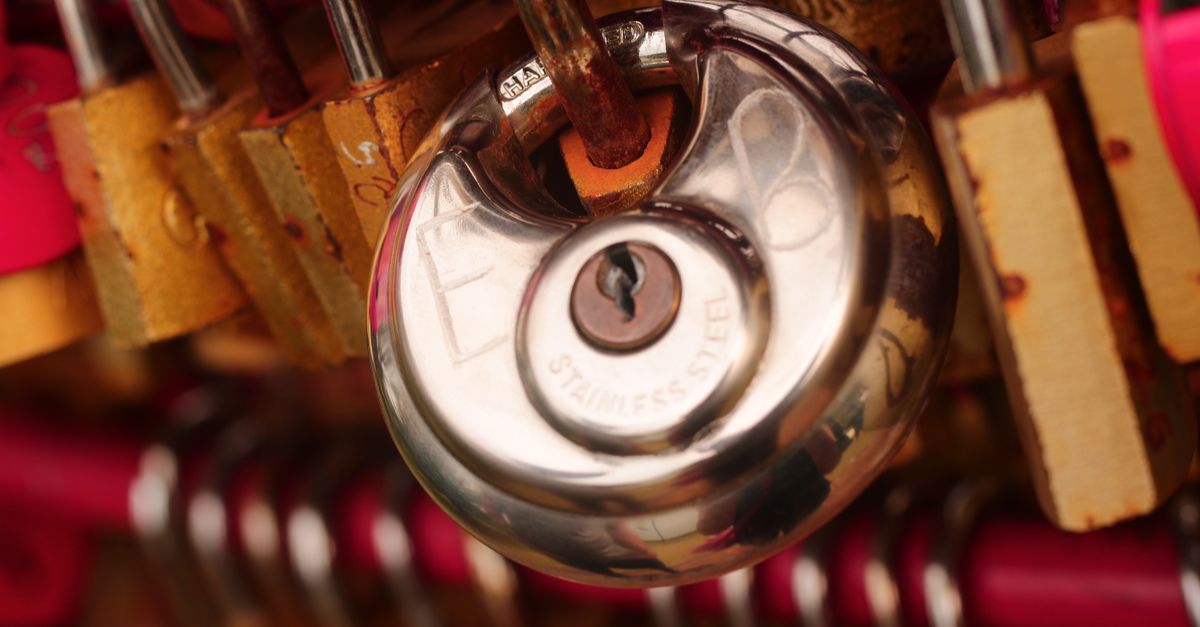
A standard kick-in or pry attack does not just scratch the finish — it can shear the cam inside a mortise lock, bend the strike box, and crack the door frame in ways that let the bolt float freely even after you swing the door shut. Our technician begins every post-break-in visit with a hands-on inspection of the full door assembly: the mortise lock body, the face plate, the strike, the frame reinforcement, and the cylinder itself. This matters because rekeying a cylinder that sits inside a structurally damaged mortise lock body gives you a new key but not real security.
Door knob lock sets and deadbolts on auxiliary entry points — side gates, garage service doors, basement entries — are also checked, because experienced intruders rarely stop at the obvious door. If you have a smart lock rekey situation, where an electronic unit was tampered with or the wiring harness disturbed, we handle that as well, resetting or replacing the module and confirming connectivity before we leave. The inspection is the foundation of everything that follows; skipping it is how homeowners end up calling a locksmith a second time.